Know Your Strengths and Weaknesses in Trading: The Key to Passing a Prop Firm Challeng
Introduction: Why Self-Awareness Is the Missing Edge in Trading
Most traders believe success comes from finding the “perfect strategy.”
But in reality, the biggest edge in trading is not your system—it’s yourself.
Understanding your strengths and weaknesses is one of the most powerful yet overlooked aspects of trading. Especially in a prop firm environment like Quant Funded, where strict rules and performance consistency are required, self-awareness becomes the difference between passing and failing.
If you don’t understand how you think, react, and execute under pressure, no strategy will save you.
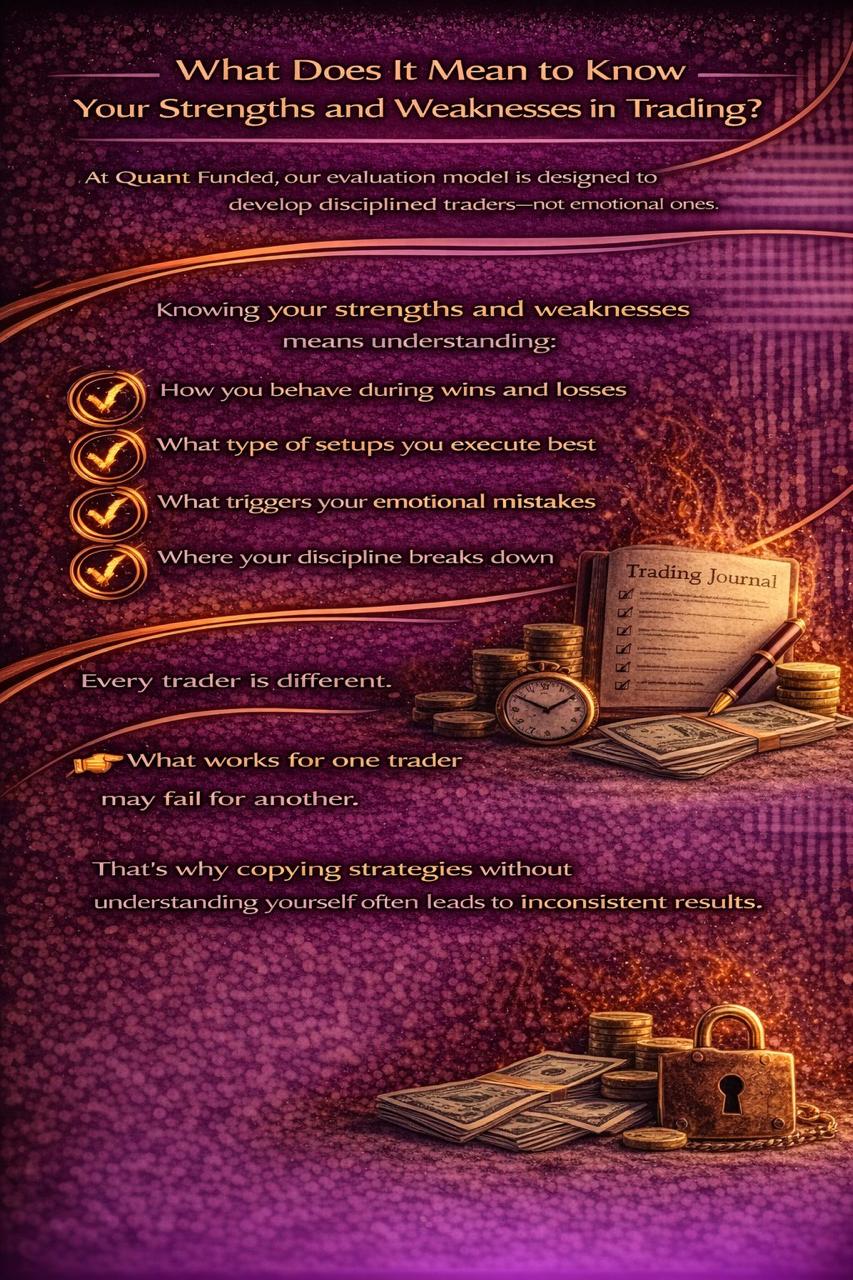
What Does It Mean to Know Your Strengths and Weaknesses in Trading?
Knowing your strengths and weaknesses means understanding:
- How you behave during wins and losses
- What type of setups you execute best
- What triggers your emotional mistakes
- Where your discipline breaks down
Every trader is different.
👉 What works for one trader may fail for another.
That’s why copying strategies without understanding yourself often leads to inconsistent results.
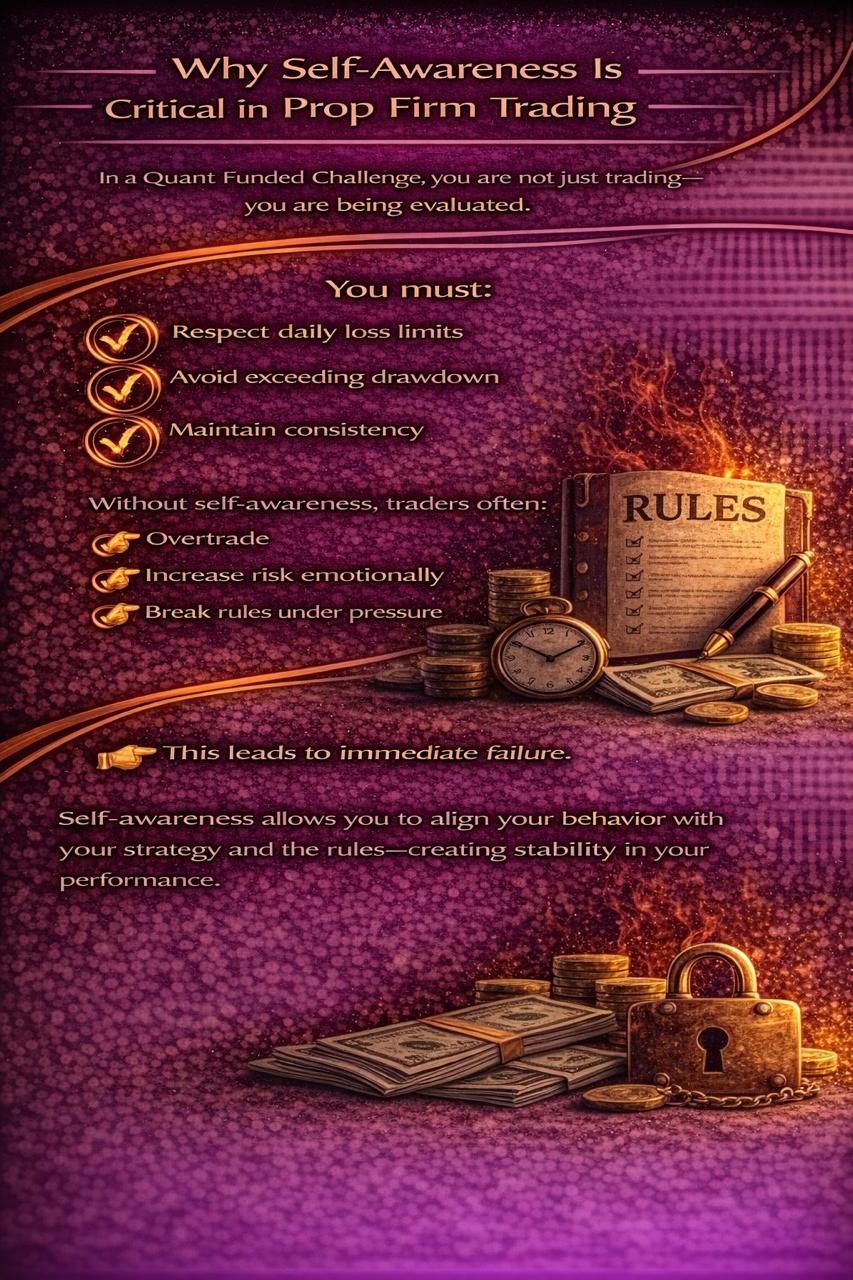
Why Self-Awareness Is Critical in Prop Firm Trading
In a Quant Funded Challenge, you are not just trading—you are being evaluated.
You must:
- Respect daily loss limits
- Avoid exceeding drawdown
- Maintain consistency
Without self-awareness, traders often:
- Overtrade
- Increase risk emotionally
- Break rules under pressure
👉 This leads to immediate failure.
Self-awareness allows you to align your behavior with your strategy and the rules—creating stability in your performance.
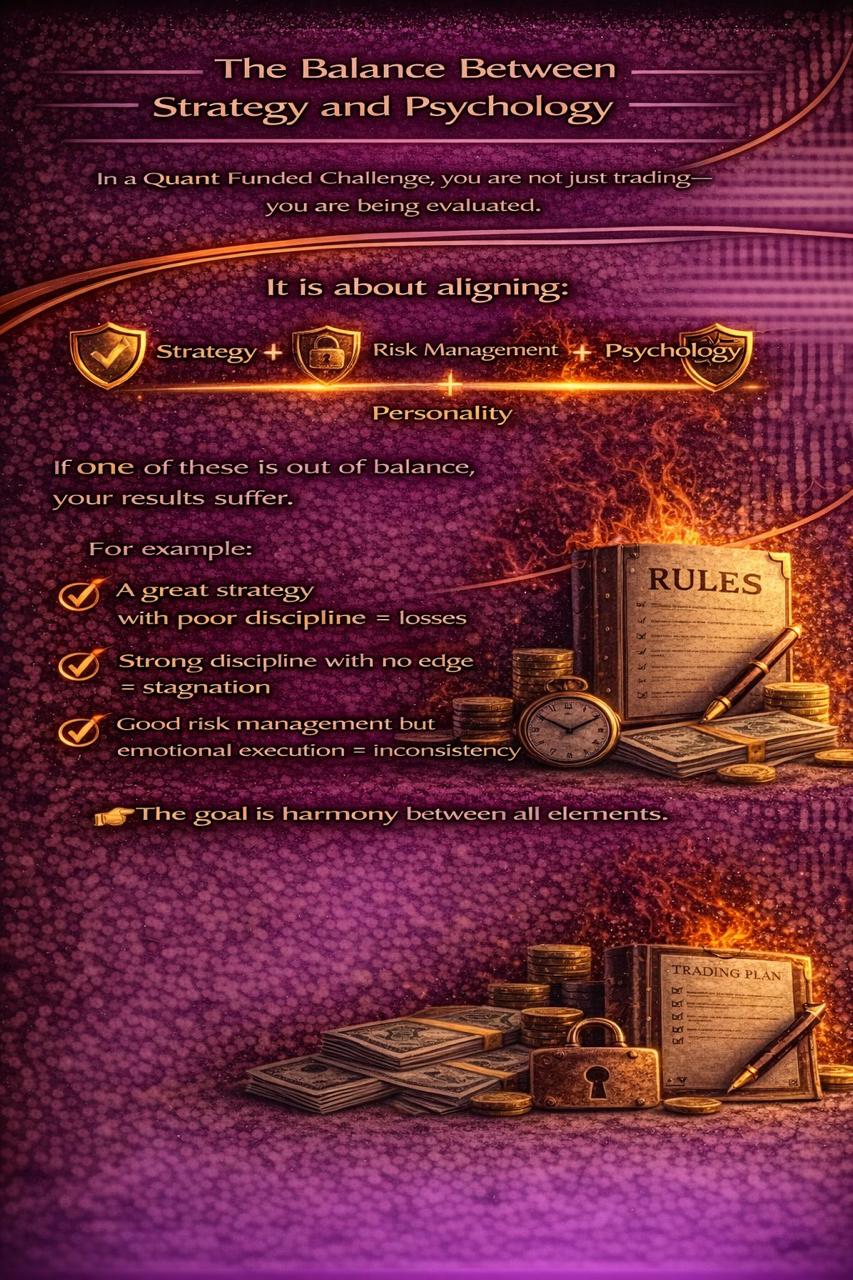
The Balance Between Strategy and Psychology
Trading success is not just about:
- Entry models
- Indicators
- Market structure
It is about aligning:
👉 Strategy + Risk Management + Psychology + Personality
If one of these is out of balance, your results suffer.
For example:
- A great strategy with poor discipline = losses
- Strong discipline with no edge = stagnation
- Good risk management but emotional execution = inconsistency
👉 The goal is harmony between all elements.
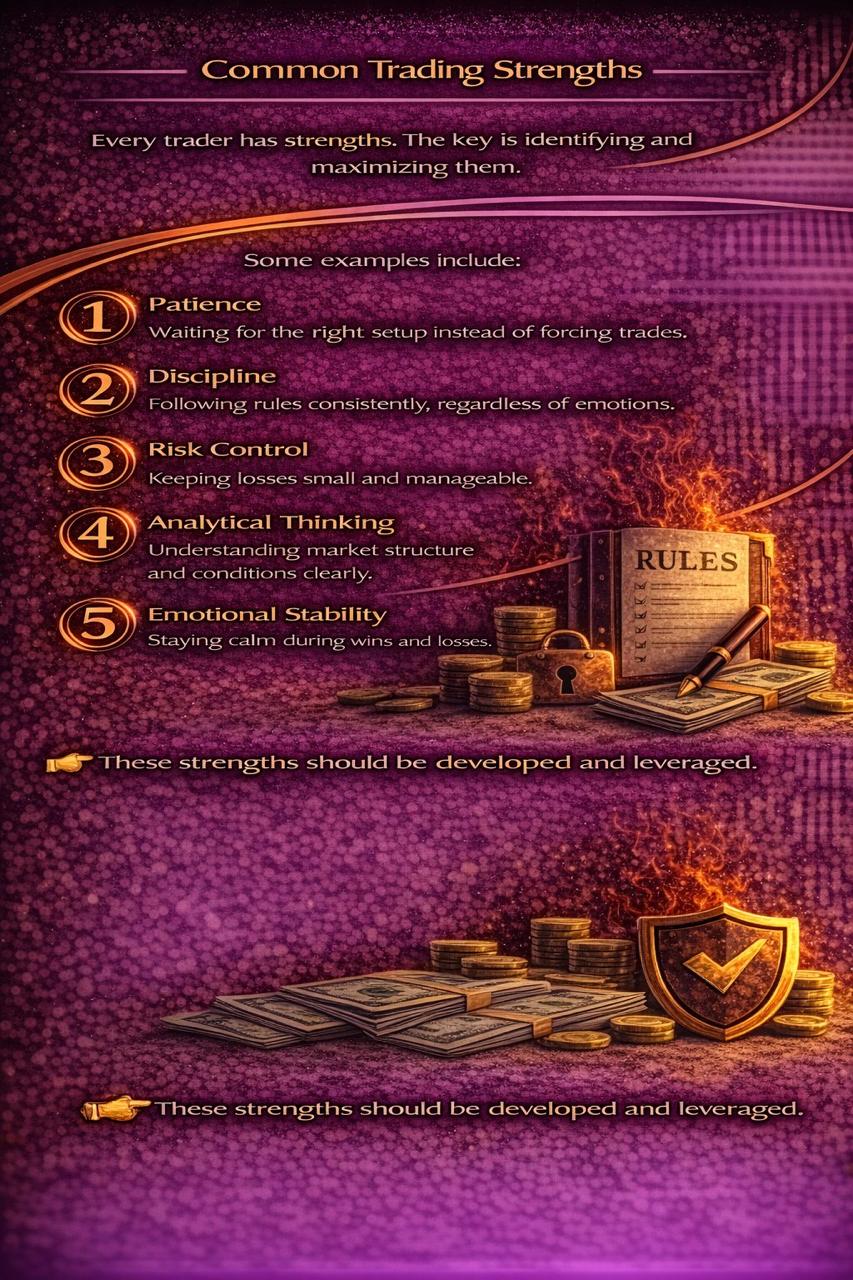
Common Trading Strengths
Every trader has strengths. The key is identifying and maximizing them.
Some examples include:
1. Patience
Waiting for the right setup instead of forcing trades.
2. Discipline
Following rules consistently, regardless of emotions.
3. Risk Control
Keeping losses small and manageable.
4. Analytical Thinking
Understanding market structure and conditions clearly.
5. Emotional Stability
Staying calm during wins and losses.
👉 These strengths should be developed and leveraged.
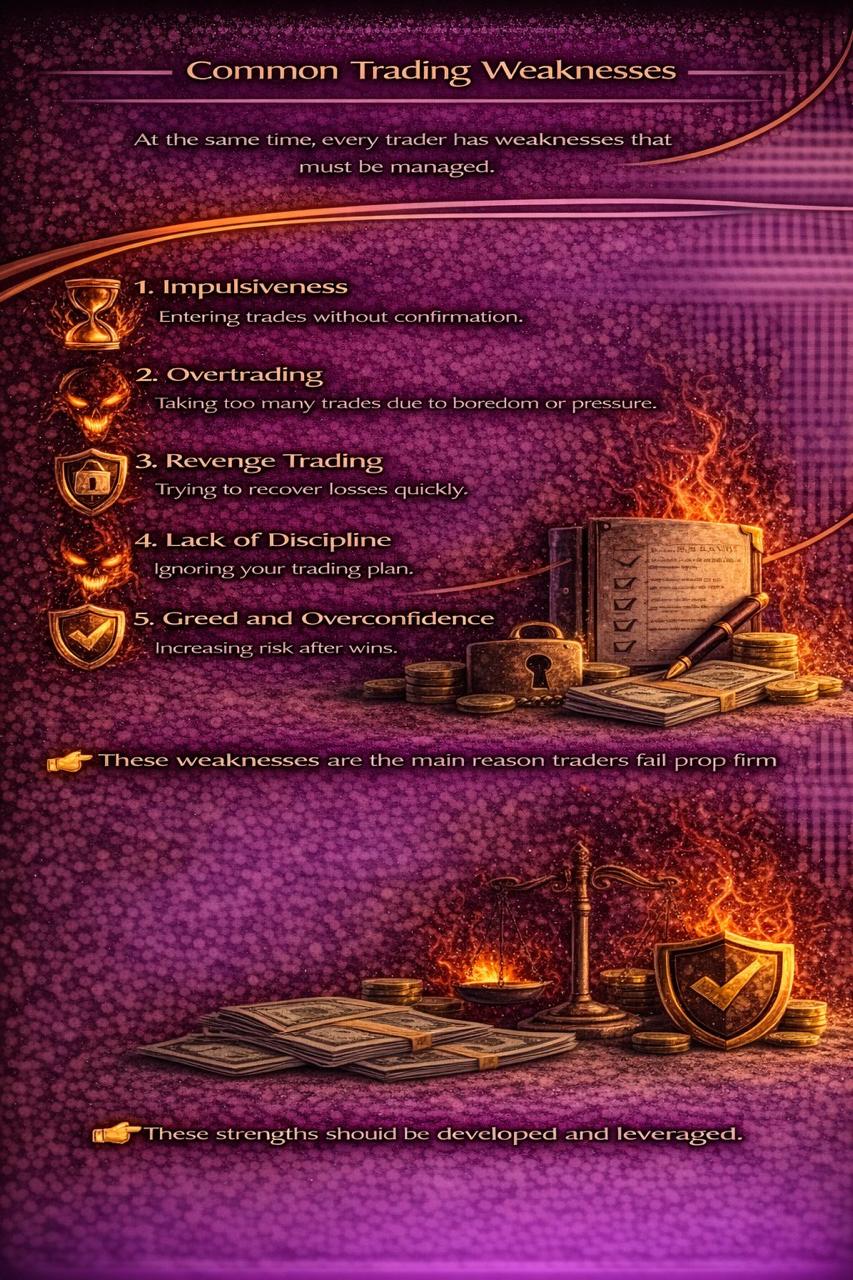
Common Trading Weaknesses
At the same time, every trader has weaknesses that must be managed.
1. Impulsiveness
Entering trades without confirmation.
2. Overtrading
Taking too many trades due to boredom or pressure.
3. Revenge Trading
Trying to recover losses quickly.
4. Lack of Discipline
Ignoring your trading plan.
5. Greed and Overconfidence
Increasing risk after wins.
👉 These weaknesses are the main reason traders fail prop firm challenges.
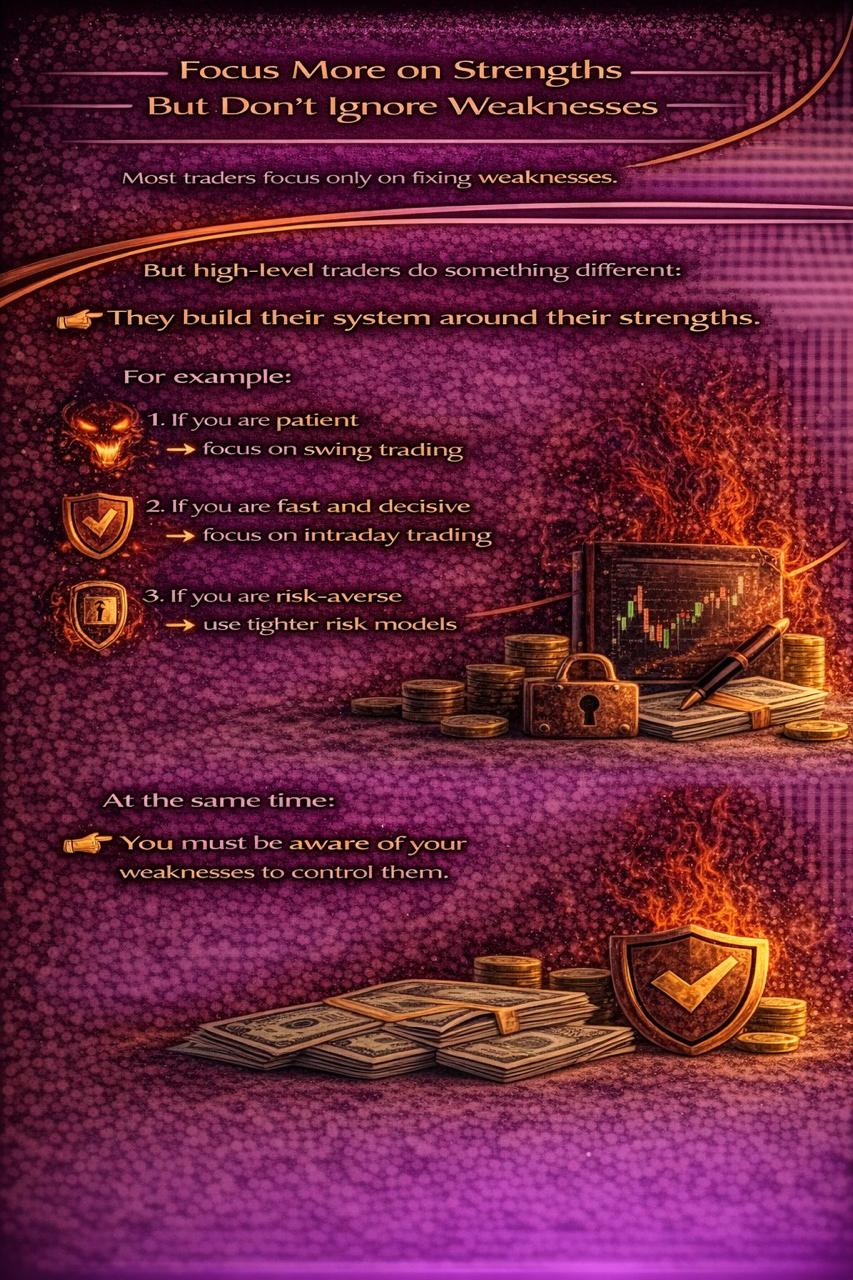
Focus More on Strengths—But Don’t Ignore Weaknesses
Most traders focus only on fixing weaknesses.
But high-level traders do something different:
👉 They build their system around their strengths.
For example:
- If you are patient → focus on swing trading
- If you are fast and decisive → focus on intraday trading
- If you are risk-averse → use tighter risk models
At the same time:
👉 You must be aware of your weaknesses to control them.
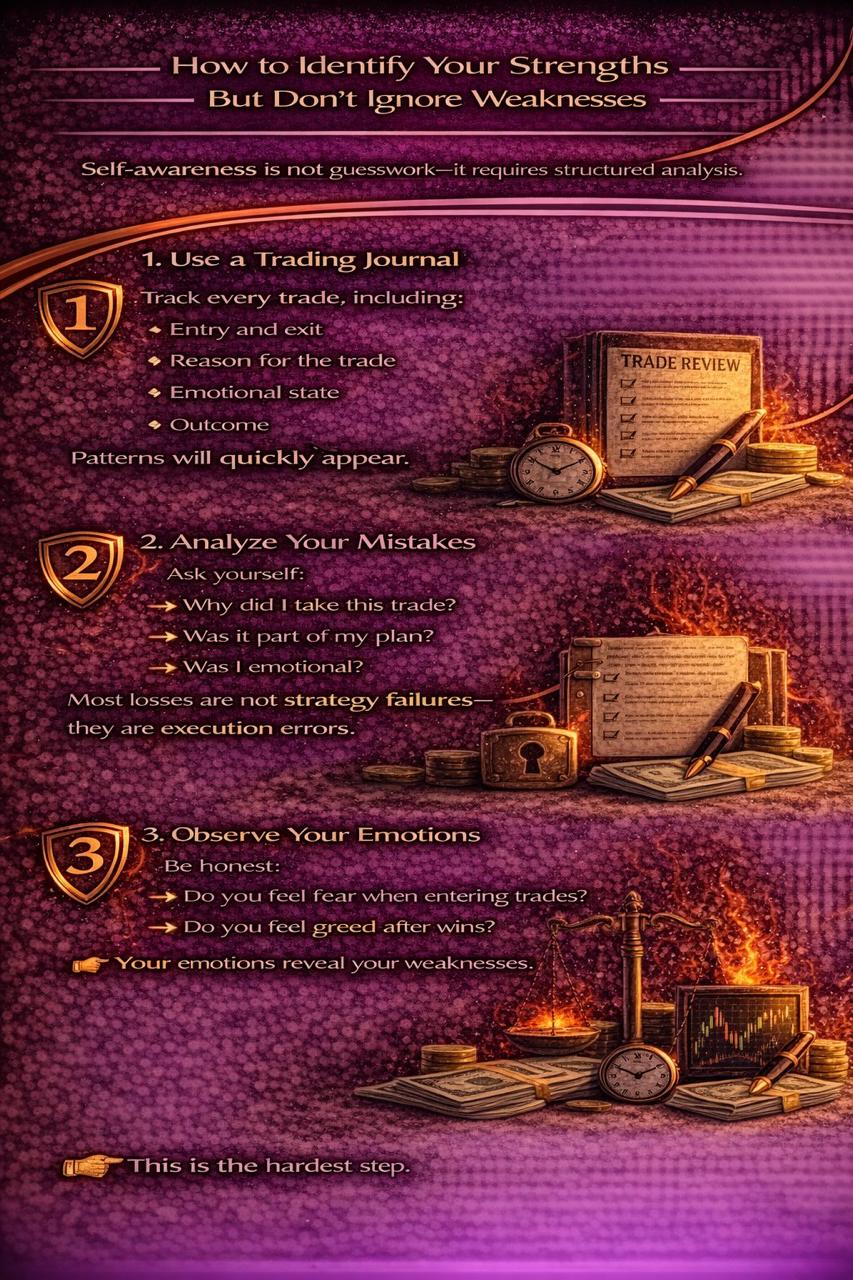
How to Identify Your Strengths and Weaknesses
Self-awareness is not guesswork—it requires structured analysis.
1. Use a Trading Journal
Track every trade, including:
- Entry and exit
- Reason for the trade
- Emotional state
- Outcome
Patterns will quickly appear.
2. Analyze Your Mistakes
Ask yourself:
- Why did I take this trade?
- Was it part of my plan?
- Was I emotional?
Most losses are not strategy failures—they are execution errors.
3. Observe Your Emotions
Be honest:
- Do you feel fear when entering trades?
- Do you feel greed after wins?
- Do you rush decisions?
👉 Your emotions reveal your weaknesses.
4. Test Different Trading Styles
Not every strategy fits your personality.
Try:
- Scalping
- Intraday trading
- Swing trading
Find what aligns with your natural behavior.
5. Be Brutally Honest with Yourself
This is the hardest step.
👉 You cannot improve what you refuse to acknowledge.
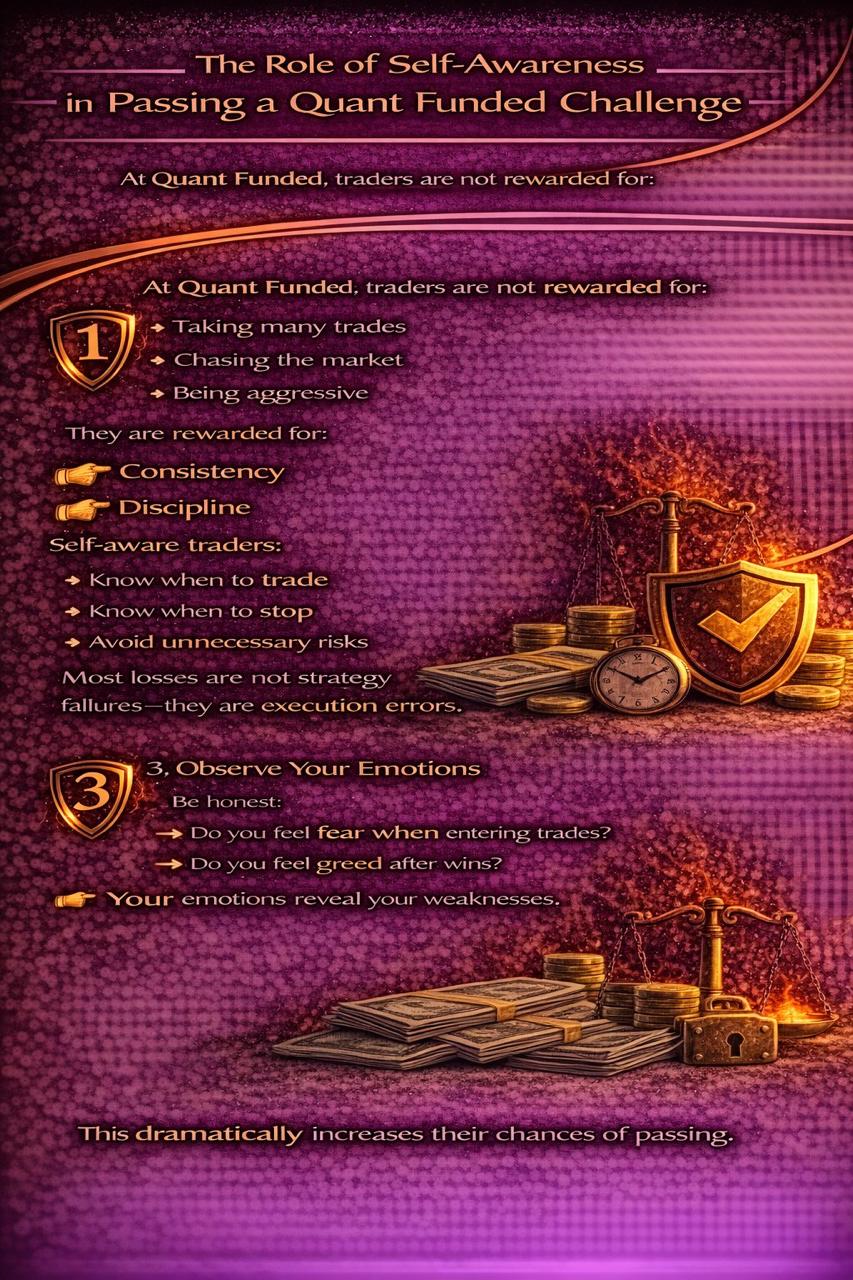
The Role of Self-Awareness in Passing a Quant Funded Challenge
At Quant Funded, traders are not rewarded for:
- Taking many trades
- Chasing the market
- Being aggressive
They are rewarded for:
👉 Consistency
👉 Discipline
👉 Risk control
Self-aware traders:
- Know when to trade
- Know when to stop
- Avoid unnecessary risks
This dramatically increases their chances of passing.
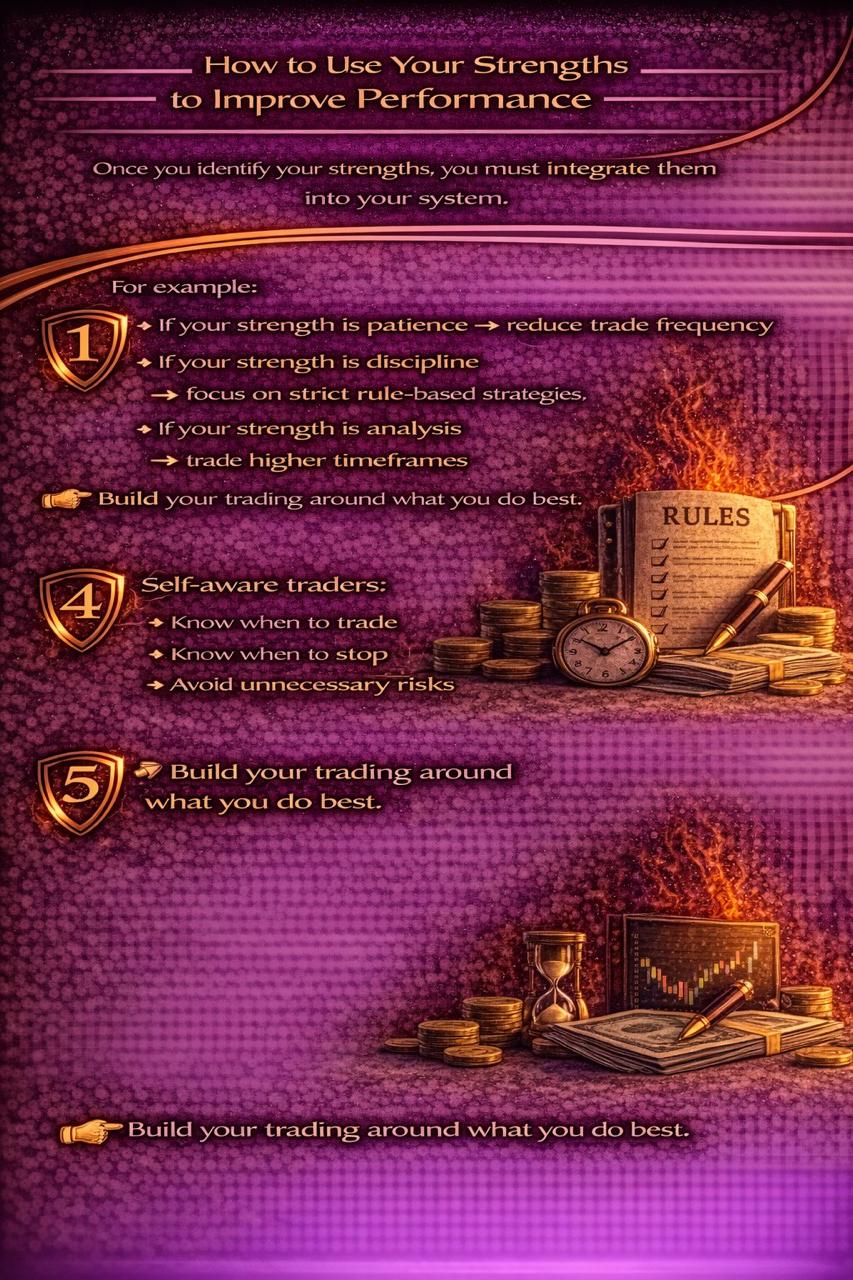
How to Use Your Strengths to Improve Performance
Once you identify your strengths, you must integrate them into your system.
For example:
- If your strength is patience → reduce trade frequency
- If your strength is discipline → focus on strict rule-based strategies
- If your strength is analysis → trade higher timeframes
👉 Build your trading around what you do best.
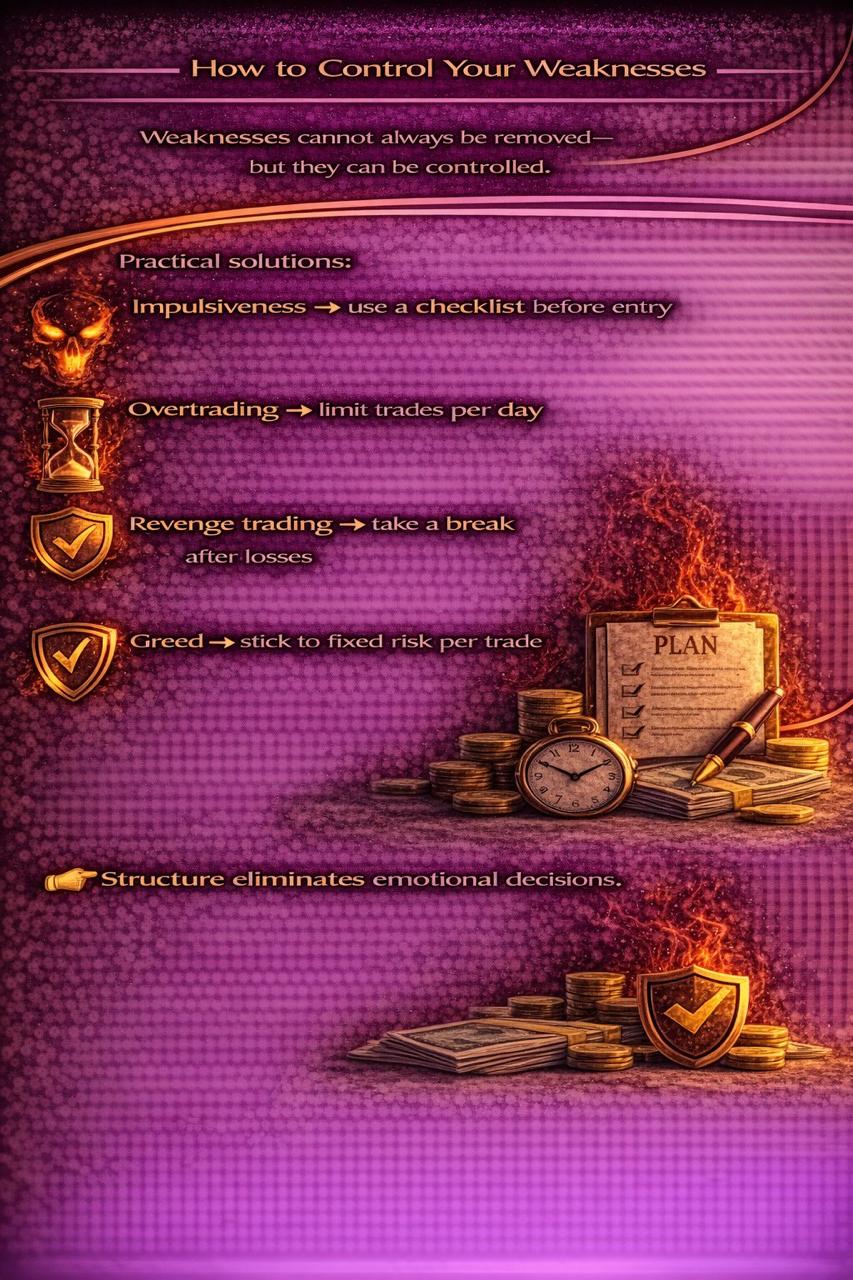
How to Control Your Weaknesses
Weaknesses cannot always be removed—but they can be controlled.
Practical solutions:
- Impulsiveness → use a checklist before entry
- Overtrading → limit trades per day
- Revenge trading → take a break after losses
- Greed → stick to fixed risk per trade
👉 Structure eliminates emotional decisions.
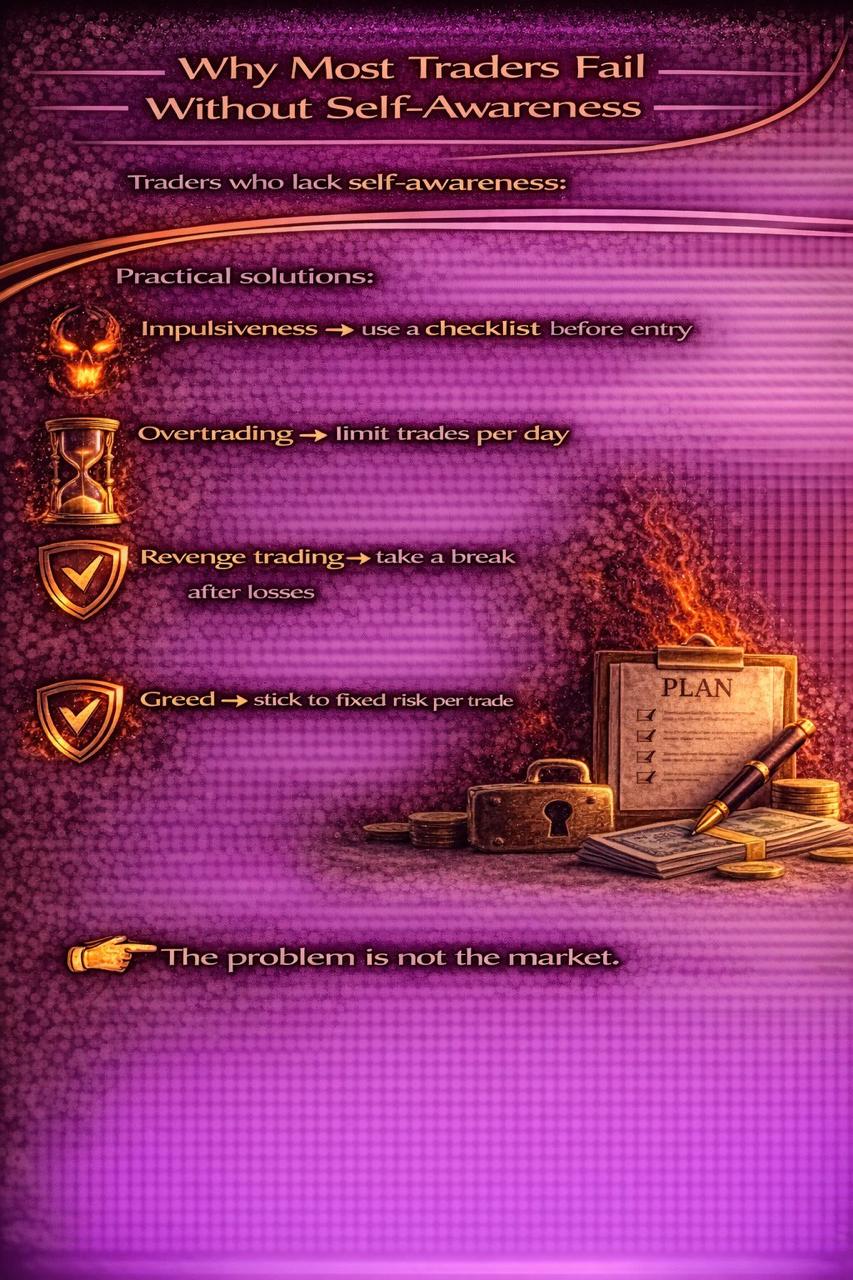
Why Most Traders Fail Without Self-Awareness
Traders who lack self-awareness:
- Copy others blindly
- Change strategies frequently
- Trade based on emotions
- Ignore risk management
This leads to:
👉 Inconsistency
👉 Drawdowns
👉 Failed challenges
The problem is not the market.
👉 The problem is internal.
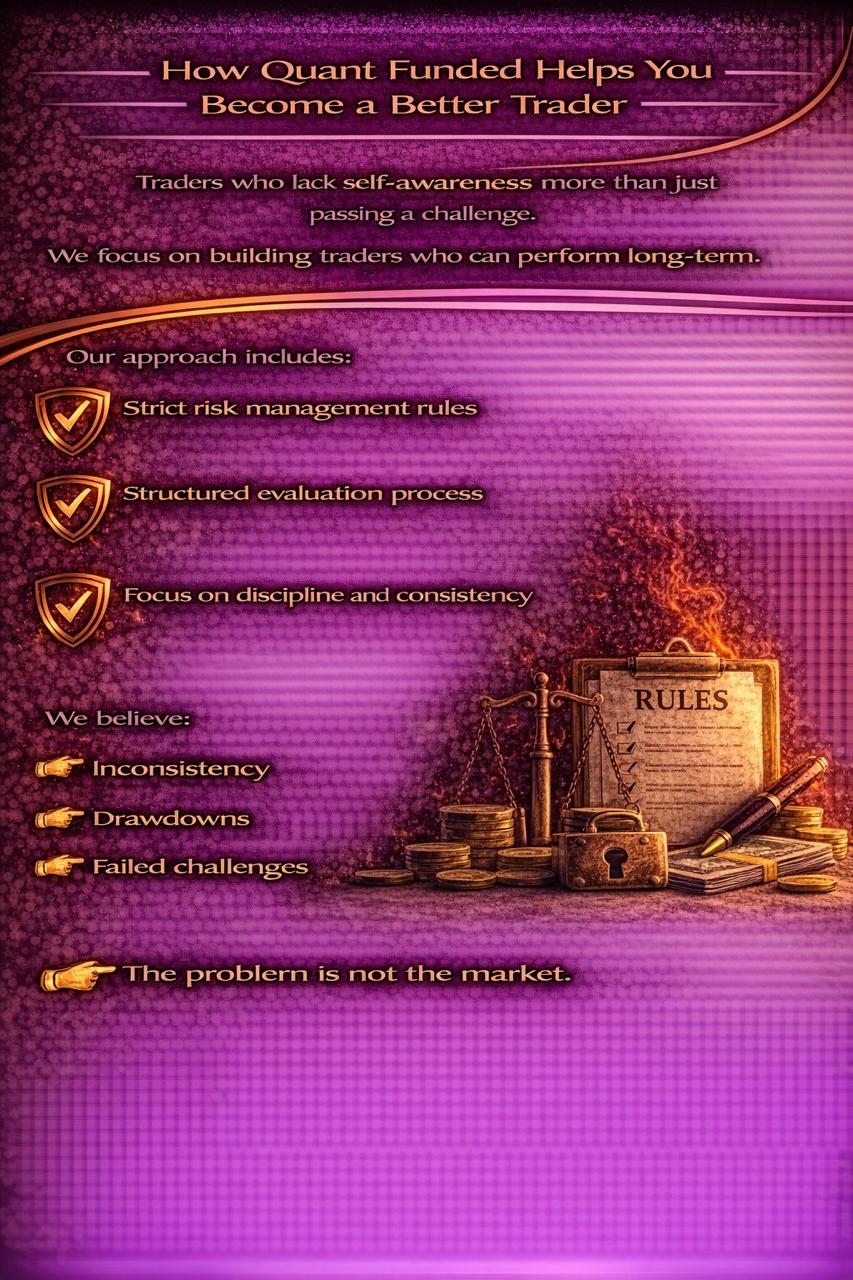
How Quant Funded Helps You Become a Better Trader
At Quant Funded, we emphasize more than just passing a challenge.
We focus on building traders who can perform long-term.
Our approach includes:
- Strict risk management rules
- Structured evaluation process
- Focus on discipline and consistency
- Encouraging controlled trading behavior
We believe:
👉 A trader who understands themselves will always outperform one who doesn’t.
Conclusion: Master Yourself Before You Master the Market
Knowing your strengths and weaknesses is not optional—it is essential.
If you want to succeed in trading and pass a Quant Funded Challenge, you must:
- Understand your behavior
- Align your strategy with your personality
- Control your weaknesses
- Build on your strengths
Because in the end:
👉 Trading is not a battle against the market.
👉 It is a battle against yourself.
And the trader who wins that battle…
👉 Wins in the market.